Traditional academic approaches – those that employ narrow tasks to emphasize rote memorization or the application of simple procedures – won’t develop learners who are critical thinkers or effective writers and speakers. Rather, students need to take part in complex, meaningful projects that require sustained engagement and collaboration.
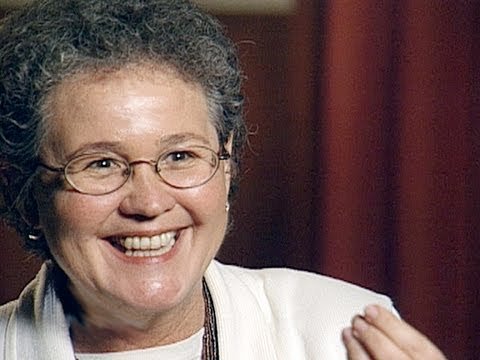
Education expert Linda Darling-Hammond shares her insights on cooperative teaching in this video: The Collaborative Classroom, where she emphasizes social and emotional learning is a crucial part of teaching the whole child.
Darling-Hammond, a professor of education at Stanford University and former director of the National Commission on Teaching, chosen in 2006 by Education Week as one of the most influential people affecting education policy over the last decade is the author of Powerful Learning: What We Know About Teaching for Understanding, a review of research on the most effective K-12 teaching practices. In the book, copublished by Jossey-Bass and The George Lucas Educational Foundation, the authors explore the ways in which project learning, cooperative learning, and performance-based assessment generate meaningful student understanding in the classroom.
This interview was recorded on December 10, 2007, at the CASEL Forum, an event in New York City that brought together seventy-five global leaders in education and related fields to raise awareness about social and emotional learning (SEL) and introduce important scientific findings related to SEL.
More on: https://www.edutopia.org
